

Beyond the H-Badge: The Psychological Shift from Hyundai Reliability to Kia Rebellion
The automotive industry has witnessed a significant shift in consumer perception over the past decade, with two Korean brands, Hyundai and Kia, at the forefront of this change. While Hyundai has long been synonymous with reliability, Kia has emerged as a symbol of rebellion, appealing to a younger demographic seeking excitement and individuality. In this blog post, we will delve into the psychological factors driving this shift and explore the implications for the automotive industry as a whole.
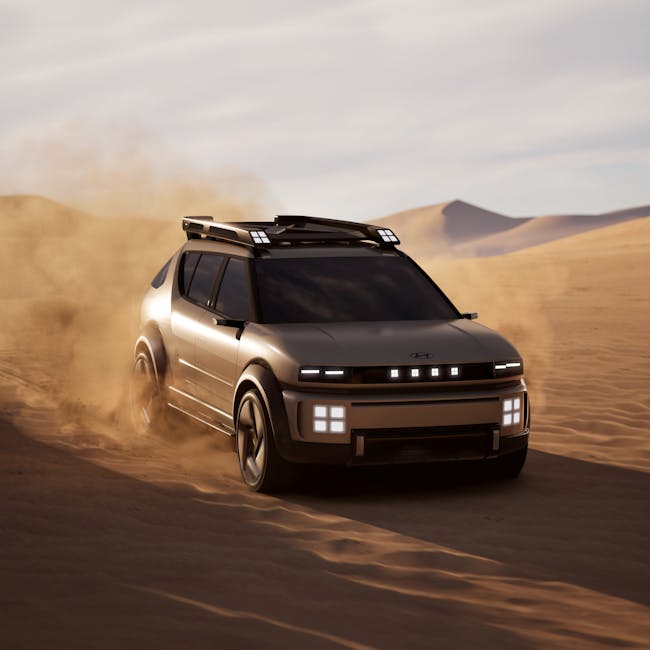
The Rise of Hyundai: A Reliability Revolution
In the early 2000s, Hyundai was known for producing affordable, yet lackluster vehicles that prioritized functionality over form. However, with the introduction of the Hyundai Santa Fe in 2001, the brand began to shift its focus towards reliability and quality. The Santa Fe’s success was followed by a series of well-received models, including the Sonata and Elantra, which further solidified Hyundai’s reputation as a reliable and trustworthy brand. This reputation was reinforced by Hyundai’s comprehensive warranty program, which offered customers peace of mind and protection against mechanical failures.
As a result, Hyundai’s sales skyrocketed, and the brand became a staple in the mid-size sedan market. The Hyundai nameplate became synonymous with dependability, and the brand’s vehicles were often recommended by friends and family members. However, this reputation also had a downside, as Hyundai’s emphasis on reliability led to a perceived lack of excitement and passion in its vehicles. The brand’s cars were often criticized for being bland and unremarkable, with some even referring to them as “appliance-like.”
Kia’s Rebellion: A Departure from the Norm
In contrast to Hyundai’s reliability-focused approach, Kia has taken a different path, embracing a more rebellious and youthful image. With the introduction of the Kia Soul in 2009, the brand began to appeal to a younger demographic, seeking to create a sense of community and shared values among its customers. The Soul’s quirky design, flexible interior, and affordable price point resonated with Gen Z and Millennial buyers, who were looking for a vehicle that reflected their individuality and creativity.
Kia’s rebellion continued with the launch of the Stinger in 2017, a high-performance sedan that defied conventional expectations of the brand. The Stinger’s sleek design, powerful engine, and rear-wheel drive layout made it an instant hit among enthusiasts, who praised its handling and driving dynamics. The Stinger’s success marked a turning point for Kia, as the brand began to shed its reputation as a budget-friendly, yet unremarkable alternative to Hyundai.
The Psychological Shift: From Reliability to Rebellion
So, what drives the psychological shift from Hyundai’s reliability to Kia’s rebellion? The answer lies in the changing values and priorities of modern consumers. In an era where individuality and self-expression are paramount, buyers are seeking vehicles that reflect their personality and lifestyle. Kia’s emphasis on design, performance, and community has resonated with younger buyers, who are willing to trade off some reliability for a sense of excitement and belonging.
Furthermore, the rise of social media has created a culture of sharing and showcasing, where consumers are encouraged to express their individuality and creativity. Kia’s vehicles, with their bold designs and vibrant color schemes, are perfectly suited to this culture, as they provide a canvas for owners to express themselves and showcase their personality. In contrast, Hyundai’s more conservative approach has struggled to connect with this demographic, as its vehicles are often seen as too bland and unremarkable.
Implications for the Automotive Industry
The shift from Hyundai’s reliability to Kia’s rebellion has significant implications for the automotive industry as a whole. As consumers become increasingly focused on individuality and self-expression, manufacturers will need to adapt their strategies to meet these changing demands. This may involve a greater emphasis on design, performance, and community, as well as a willingness to take risks and challenge conventional norms.
Additionally, the rise of Kia’s rebellion highlights the importance of brand identity and storytelling in the automotive industry. As consumers become more discerning and demanding, manufacturers will need to create compelling narratives and experiences that resonate with their target audience. This may involve leveraging social media, influencer partnerships, and experiential marketing to create a sense of connection and belonging among customers.
Conclusion: Beyond the H-Badge
In conclusion, the psychological shift from Hyundai’s reliability to Kia’s rebellion reflects a fundamental change in consumer values and priorities. As the automotive industry continues to evolve, manufacturers will need to adapt to these changing demands, embracing a more rebellious and individualistic approach to vehicle design, marketing, and sales. By understanding the drivers of this shift and responding to the needs of modern consumers, manufacturers can create vehicles and experiences that truly resonate with their target audience, driving loyalty, advocacy, and ultimately, sales.
As we look to the future, it will be interesting to see how Hyundai and Kia continue to evolve and respond to changing consumer demands. Will Hyundai be able to shed its reputation as a reliable, yet unremarkable brand, and embrace a more rebellious and individualistic approach? Or will Kia’s rebellion continue to drive the brand’s success, as it appeals to a younger demographic seeking excitement and self-expression? Only time will tell, but one thing is certain – the automotive industry will never be the same again.

{“keywords”: [“Hyundai reliability”, “Kia rebellion”, “automotive industry trends”, “car design”, “individuality”, “self-expression”, “social media”, “brand identity”, “storytelling”, “Kia Soul”, “Hyundai Santa Fe”]}